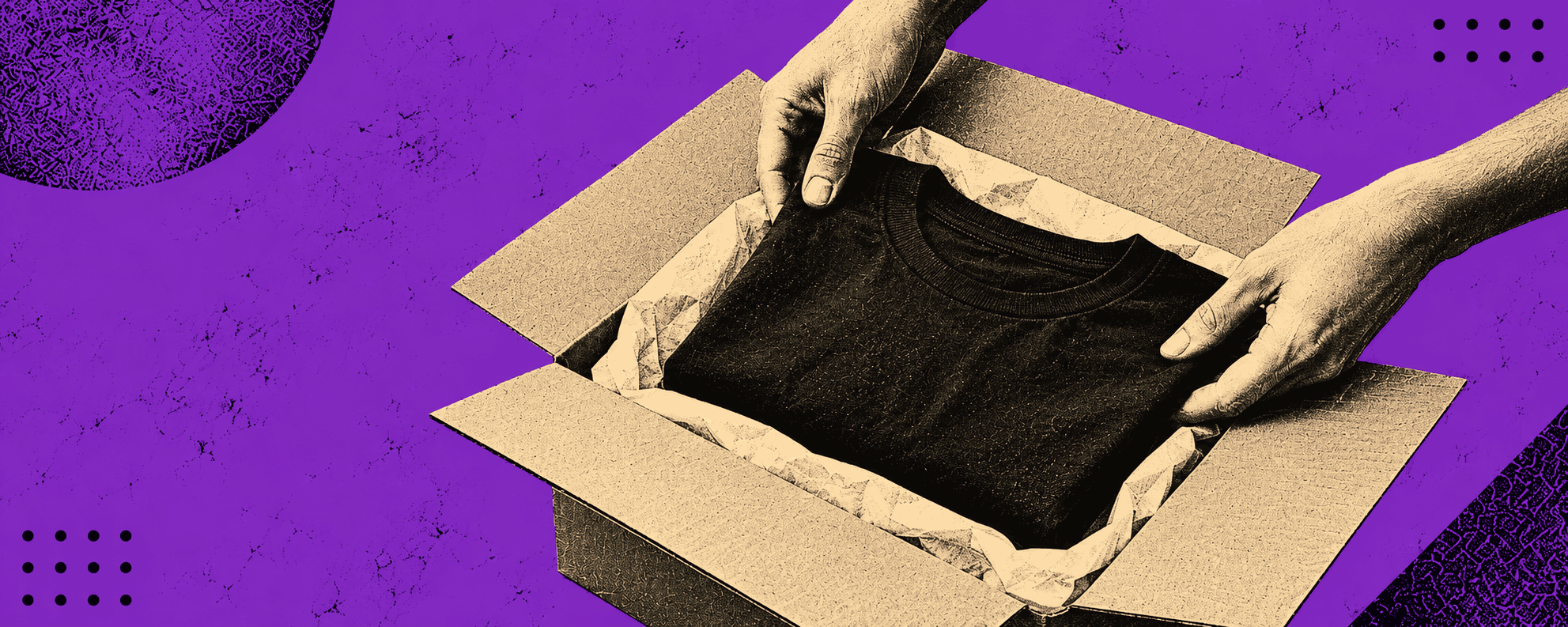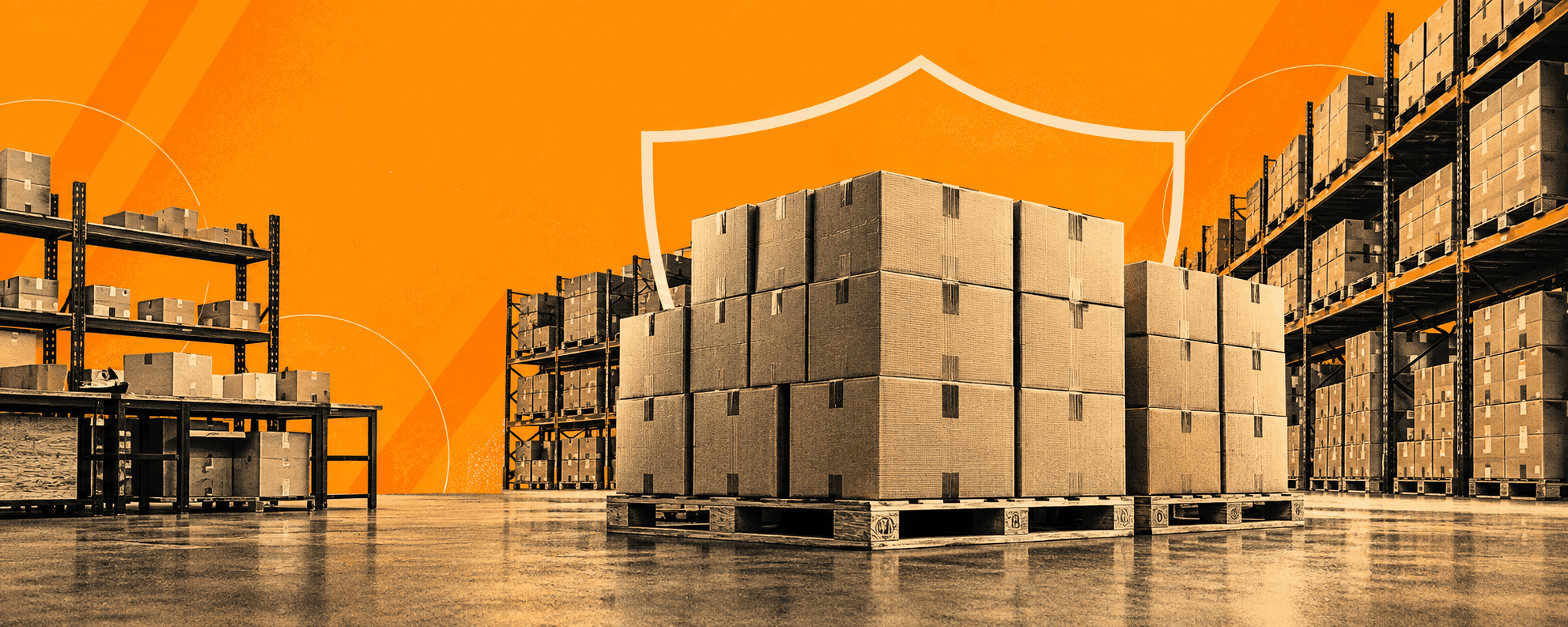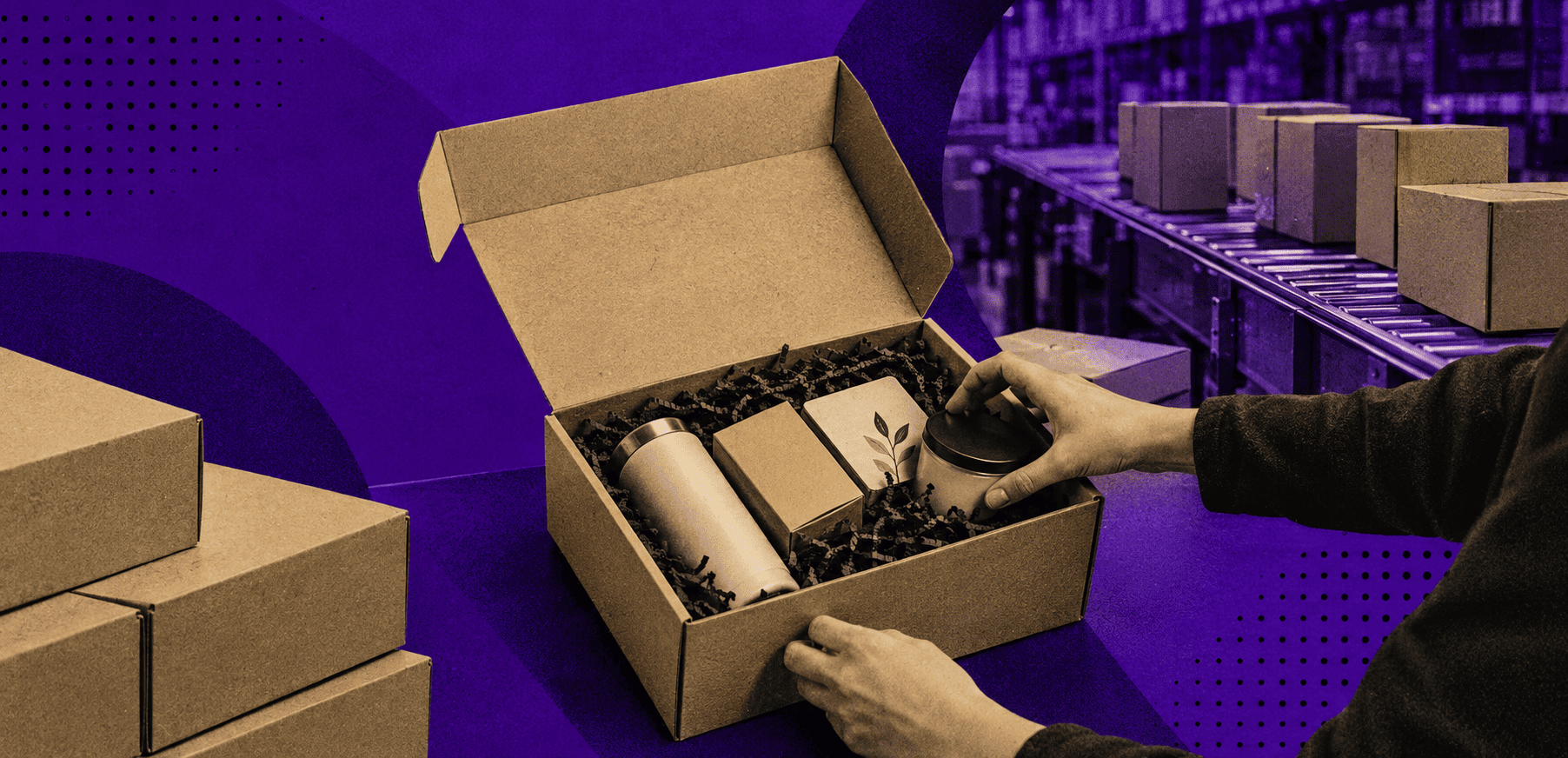
A subscription box business runs on a calendar, not a queue. Everything for this cycle ships inside the same short window, and that window does not move because a pallet landed late or the inserts came back printed wrong. Miss it once and you are not simply behind on shipping. You have charged a card for a box that did not arrive.
That is what separates subscription box fulfillment from ordinary order fulfillment, and it is why plenty of capable warehouses quietly struggle with it. Most are staffed and priced for orders that trickle in steadily through the month. A subscription brand does not send steady orders. It sends one enormous batch, goes quiet, then does it again four weeks later. This guide covers how the process actually works, what breaks as you grow, and how to tell whether outsourcing is the right call.
TL;DR
- Subscription box fulfillment means receiving your components, kitting them into finished boxes to a fixed spec, and releasing the entire subscriber list inside a defined shipping window.
- The thing that makes it hard is batch timing, not box contents.
- Customization is where margin quietly leaks. Every variant, insert, and personalization step multiplies the number of pick paths on the floor.
What Is Subscription Box Fulfillment? The Short Answer
Subscription box fulfillment is the process of storing your components, assembling them into finished boxes to a set specification, and shipping the whole subscriber list on a repeating cycle.
It is a real category with real scale behind it. The Business Research Company puts the global subscription box market at $49.7 billion in 2026, up from $41.47 billion the year before. The operational bar is high because the customer relationship is fragile: monthly churn for subscription boxes commonly runs in the 10 to 15 percent range. A late box or a wrong variant does not generate a support ticket. It generates a cancellation.
That is the part worth sitting with. In most ecommerce fulfillment, a fulfillment mistake costs you one order. In subscription, it costs you the remaining lifetime value of that subscriber.
The Subscription Box Fulfillment Process, Step By Step
- You lock the contents and the subscriber count for the cycle.
- Components arrive from multiple suppliers, often on different dates.
- The warehouse receives, counts, and stages every component against the box spec.
- The team kits boxes to spec, including any variant splits.
- The full batch releases to carriers inside the shipping window.
- Returns, refusals, and failed addresses come back for processing.
Step three is the one brands consistently underestimate. Staging is not receiving. Receiving confirms a pallet arrived. Staging confirms that every component for every variant is counted, positioned, and reconciled against the spec before assembly starts. Brands that skip a real staging step discover the shortfall halfway through kitting, which is the most expensive possible moment to discover it.
Timing: Why Subscription Fulfillment Is A Batch Problem
Most guides describe subscription fulfillment as regular fulfillment with a recurring order attached. That framing is what gets brands into trouble
Standard ecommerce fulfillment is a flow problem. Orders arrive more or less continuously, and a warehouse solves it with consistent staffing and steady throughput. Subscription fulfillment is a batch problem. Nothing happens, then everything happens, then nothing happens again. The warehouse has to surge labor into a narrow window and then stand down.
Providers built for flow tend to handle this by stretching the ship window. Your cycle leaks from three days into nine, subscribers who were charged on the first still have nothing by the tenth, and your churn number moves in the wrong direction.
How work arrives
Flow model - Continuously, day to day
Batch model - All at once, on a cycle
Staffing approach
Flow model - Steady headcount
Batch model - Surge and stand down
What failure looks like
Flow model - Slower average ship time
Batch model - A missed window for every subscriber at once
Inventory risk
Flow model - Running out of one SKU
Batch model - Being short one component and holding the whole batch
Subscription Box Fulfillment In Practice
The Beauty Box With Four Variants
Twelve components arrive from six suppliers. Subscribers are split across four skin-type variants, so the warehouse is running four distinct pick paths, not one. Get the mapping wrong and a subscriber receives a box built for someone else's routine. This is the most common subscription box shape and the one that punishes weak staging hardest. It also sits squarely in beauty and cosmetics fulfillment, which is Merchdrop's deepest vertical.
The Creator Box With A Launch Spike
A quiet cycle is a few thousand boxes. Then the creator posts, and the next cycle is four times larger with three weeks of notice. Shelf space is not the constraint. Labor elasticity is.
The Box That Outgrew The Spare Room
The founder and two staff assembled every box by hand until the count passed a few hundred and assembly started eating the entire month. Nothing has gone wrong yet. That is precisely the moment to move, rather than after a cycle has already been missed.
When To Outsource Subscription Box Fulfillment
The signals are usually obvious in hindsight:
- Assembly week consumes the team and everything else stops.
- You are renting overflow storage between cycles.
- Component counts never quite reconcile against the box spec.
- A cycle shipped late and you watched cancellations follow.
- Growth is capped by how many boxes you can physically build, not by how many you can sell.
It is worth being straight about what does not fit. Heavy or bulky boxes get expensive fast on both storage and shipping, and they are not what our floor is set up to move well. Perishable or cold-chain contents need specialist facilities and certifications we do not hold. Boxes where every unit is individually bespoke, rather than assembled from a defined set of variants, do not gain much from a batch operation.
On economics, subscription fulfillment works best when a manageable set of components serves a large subscriber base, though that is not a preference unique to any one provider. It is simply how the unit costs work across the industry.
Customization: What Actually Goes Into A Box
Customization is what subscribers pay for and what quietly erodes fulfillment margin. Each of the following adds work on the floor, and each one needs to be priced honestly rather than absorbed.
Component receiving - Inbound counts from multiple suppliers, staged against the box spec.
Kitting and assembly - Finished boxes built to spec, at volume, inside the window.
Variant management - Separate pick paths for tiers, sizes, preferences, or first-box versions.
Inserts and personalization - Cards, samples, welcome materials, named or segmented items.
Packaging - Branded outer boxes, void fill, unboxing presentation.
Returns and refusals - Inspection, restock of intact components, disposal of the rest.
Channel integration - Subscription apps and store platforms feeding the batch automatically.
There is a compliance dimension here that rarely comes up in fulfillment conversations. The Restore Online Shoppers' Confidence Act (ROSCA) governs online recurring billing and requires clear disclosure of material terms before you take billing information, express informed consent before charging, and a simple way for subscribers to stop future charges.
The FTC's expanded 2024 Negative Option Rule, widely known as Click-to-Cancel, was vacated by the Eighth Circuit in July 2025 and is not currently in force, though the agency reopened rulemaking with an advance notice in March 2026 and continues to enforce against negative-option practices under ROSCA in the meantime.
The fulfillment link is direct. You bill on a schedule whether or not the box ships on schedule. A cycle that slips past its window leaves you charging subscribers for goods they do not have, which is a customer trust problem before it is ever a legal one. Your provider's reliability is part of the compliance picture, not just the customer experience.
Scale: What Breaks As You Grow
At around 500 boxes, the constraint is your own time. Manual assembly still works, but it is consuming the founder.
At around 5,000 boxes, the constraint becomes staging and variant control. Manual counts stop being reliable, and one miscounted component now holds the entire batch rather than a handful of orders.
At around 50,000 boxes, the constraint is labor surge and carrier capacity. You need a warehouse that can put enough hands on the floor inside your window and hand off fast enough that the last box does not ship a week after the first. This is also where running subscription and your other channels through separate providers, on separate inventory pools, stops being workable.
The Merchdrop Approach To Subscription Box Fulfillment
Built For The Batch
We came out of tour merch and creator drops, where a month of volume lands in 48 hours. Surging into a narrow window is the normal operating mode, not a special request.
Kitting Is Not An Add-On
Custom kitting for subscription boxes, bundles, and special drops is a core service, not something bolted onto standard pick and pack. Variants, inserts, and packaging are specced up front and built to that spec every cycle.
One Warehouse, Every Channel
Your subscription batch, D2C orders, Amazon prep, TikTok Shop, and returns all run from one building on one warehouse management system, with integrations across most store platforms. One inventory pool, not several. All of it sits inside the same 3PL fulfillment services the rest of our clients run on.
Two Sites, Right-Sized
A warehouse in Chatsworth, California, with a new facility in Columbus, Ohio, coming soon to sit nearer major shipping hubs.
Ready To Find Out If Merchdrop Is A Good Fit?
The fastest way to find out whether we are a good match for your needs and growth plans is a short conversation, not a long form. Send us your numbers and we will come back with a quote within 24 hours.
FAQ
What is subscription box fulfillment?
Storing your components, assembling them into finished boxes to a set specification, and shipping your whole subscriber list inside a defined window, repeated every cycle.
How is it different from regular order fulfillment?
Regular fulfillment handles orders as they arrive. Subscription fulfillment handles the entire subscriber base at once, inside a fixed window. The difficulty is batch timing and component staging, not the boxes themselves.
What are the benefits of outsourcing subscription box fulfillment?
You stop trading assembly time for growth, you get labor that surges with your cycle instead of capping it, and component counts get reconciled against the spec before assembly rather than during it.
How much does subscription box fulfillment cost?
Standard pricing has four parts: a storage fee, a pick fee, a pack fee, and per-item fees on multi-item orders. Kitting is typically quoted separately because the work varies with the box spec. Merchdrop will build a single blended rate on request.
What should I look for in a subscription box fulfillment partner?
Who owns and staffs the warehouse, how they handle your ship window specifically, how they stage and reconcile components before assembly, how many variants they can run without errors, and whether your other sales channels can live in the same inventory pool.