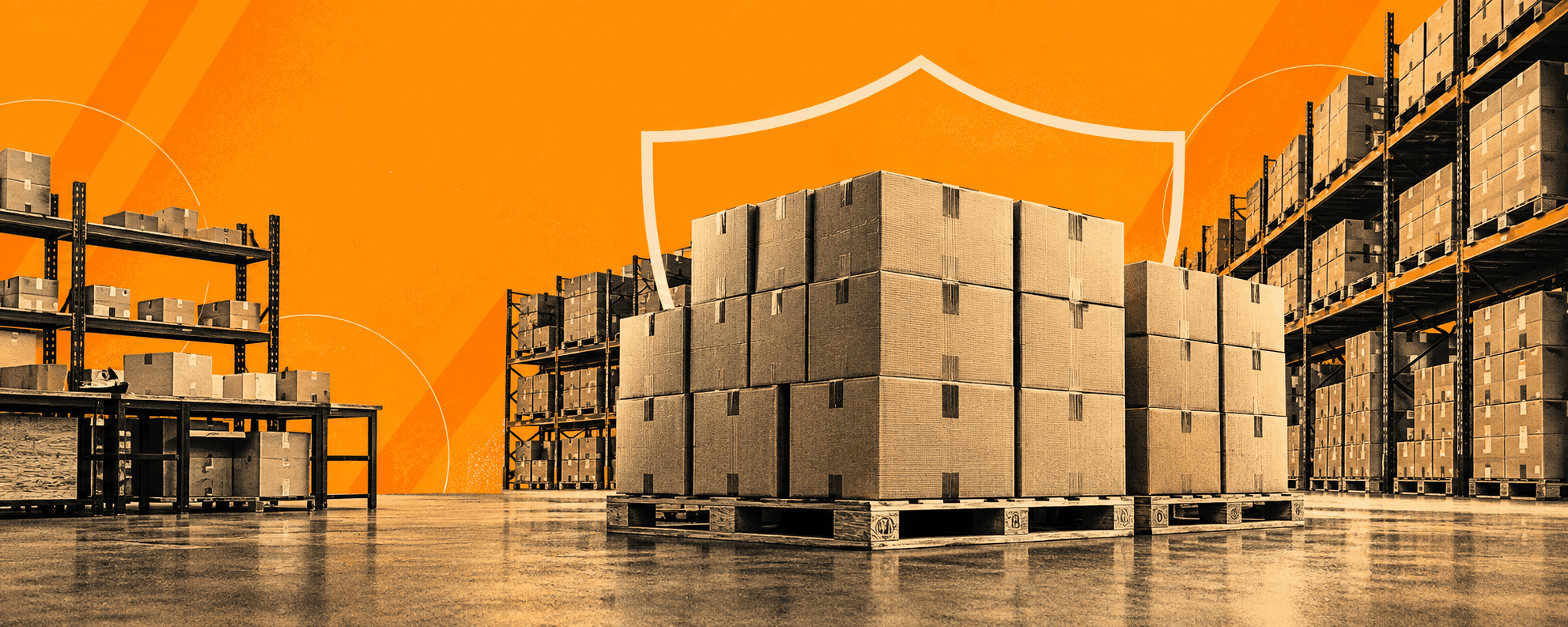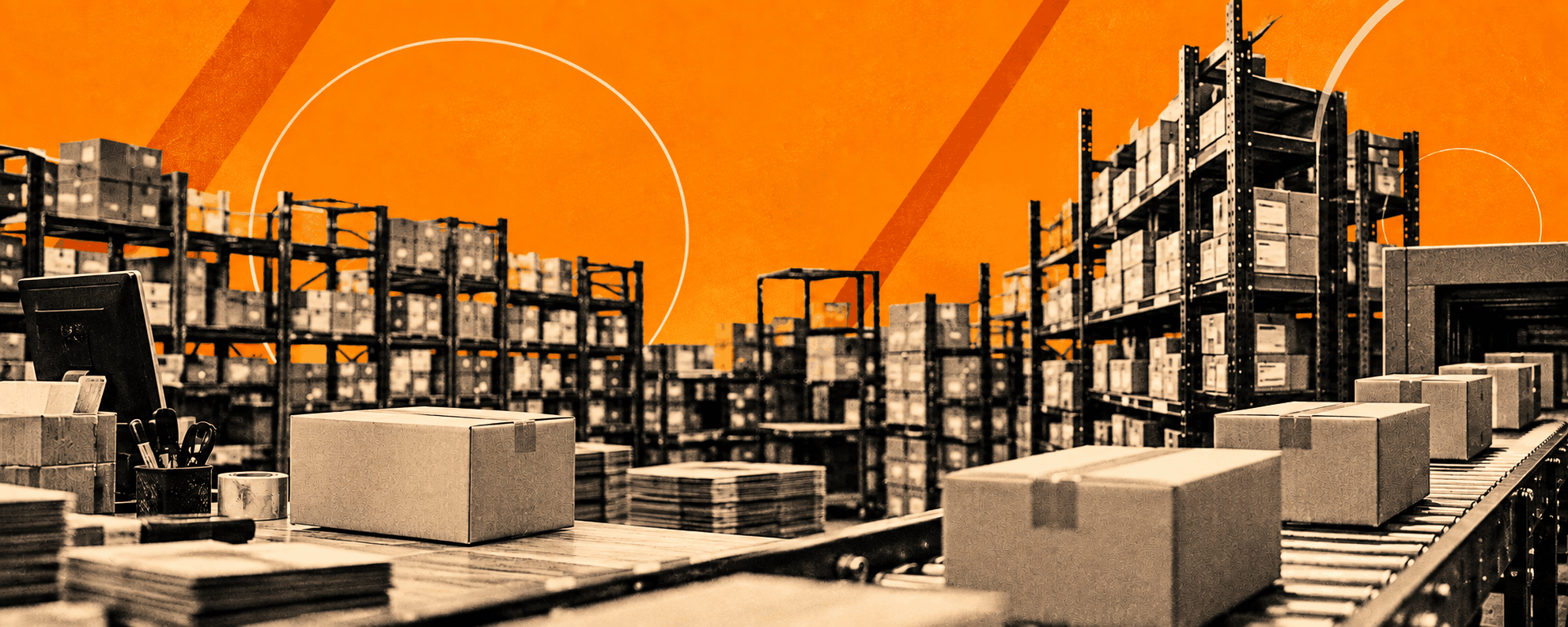
Every order sets off a chain of small jobs. Someone confirms the stock is there, pulls it from a shelf, boxes it, labels it, and hands it to a carrier. When the chain runs well, nobody notices it. When one link slips, the customer notices little else.
What is order fulfillment? It is that chain from start to finish. Part of the work happens before anyone orders, and the rest only after. Where a business draws the line between the two affects its costs, its delivery times, and the risk it carries.
TL;DR
- Order fulfillment covers every step from a placed order to a kept product: receiving, storage, order processing, picking, packing, shipping, and returns.
- In supply chain management, it stretches from the first purchase order to the paid invoice.
- Your order fulfillment strategy sets how much work happens before an order and how much after: ship from stock, build after the order, or sell before you make.
- Improvement starts with honest delivery promises, checking claims before paying for them, and rules for orders that break the routine.
An Order Fulfillment Definition
Simply put, order fulfillment is all the work that turns a customer's order into a delivered product. It covers the physical steps in the warehouse and the information that travels with them, so the order fulfillment meaning includes the stock count behind an “in stock” label as much as the box on the doorstep.
Many growing brands hand that work to a partner. At Merchdrop, 3PL fulfillment is carried out by our own team in the Chatsworth, California, warehouse we run, which sends out more than 200,000 orders a month.
The Supply Chain Order Fulfillment Process
Seen through the lens of supply chain management, the order fulfillment process starts earlier and ends later. A wholesale order begins with a purchase order and is finished only when the invoice is paid. Documents travel with the cartons through EDI (electronic data interchange), and a shipment can arrive complete and on time yet still count as a failure if its paperwork does not match. Merchdrop handles this side too, with GS1 barcodes, EDI capability, and Target orders already live.
The Order Fulfillment Process, Step by Step
Most fulfillment process steps fall on one side of a single moment: the customer clicking buy. Each step hands something to the next, and a weak handoff tends to surface later as a late or wrong order.
Before The Order
- Receiving. Incoming stock is counted, checked for damage, and matched against what the supplier said it sent. It hands storage an accurate count.
- Storage. Units go into locations the system can find, with lot and expiry dates recorded where needed. It hands your storefront a number it can safely sell against.
After The Order
- Order processing. The order arrives from your store or marketplace, gets checked, and is released to the floor. It hands pickers a clean instruction.
- Picking. The right units are pulled and scanned against the order. It hands packers the exact contents.
- Packing. Items are protected, boxed, and labeled, with any inserts added. It hands the carrier a parcel ready to travel.
- Shipping and delivery. A carrier collects the parcel, and tracking goes to the customer. It hands the customer the product on the promised date.
- Returns. Returned items are inspected and restocked or written off. It hands the sellable units back to storage.
Order Fulfillment Strategies: Where To Draw the Line
Where that before and after line sits is the biggest decision in fulfillment, and settling it is the job of an order fulfillment strategy. Do more in advance and orders ship faster, but you carry more stock and more forecasting risk. Do more after the order and the risk shrinks, but customers wait longer. Most brands mix the three strategies below across their catalog.
Ship From Stock
Finished products are made to a forecast, stored, and shipped as soon as an order lands. This is the default for repeat purchases such as shampoo, skincare, or household goods. It suits brands with a short product list and high order volume, the profile Merchdrop is built around.
Build After the Order
Components sit on the shelf, and the final product is put together only once someone buys it: a personalized gift set, a subscription box with rotating contents, or a VIP concert package. When every box is different, there is nothing to build ahead. You hold fewer finished variations and keep the freedom to change the mix, in exchange for a little extra work per order. Merchdrop kits and assembles these in-house to each brand's spec.
Sell First, Make Second
Pre-orders and limited drops flip the sequence: the order comes first and production follows, so demand is known before money goes into stock. The model is common in creator and artist merch, which is where Merchdrop began. Nothing ships for weeks, then everything ships at once when stock lands, and the customers who ordered first expect to receive first. D2C fulfillment that releases pre-orders and backorders in the order they were placed keeps that expectation intact.
How To Improve Your Order Fulfillment Process
Promise Only What the Floor Can Ship
A same-day cutoff on your website is only as good as the team behind it at 2 p.m. on a busy Monday, and the promise itself moves sales. In a 2025 study of a B2B ecommerce company, researchers from Columbia University and the University of British Columbia found that each day cut from the promised delivery time raised demand by 1.82%, with demand falling fastest once delivery stretched past a week. So set cutoffs from real processing times, chase the slowest orders first, and track how many arrive on time, complete, and undamaged.
Check The Claim Before You Pay For It
In Eurostat's 2025 survey, 10.4% of EU online shoppers had received incorrect or damaged goods. The usual reflex is to reship and move on, but not every claim starts in the warehouse: parcels get crushed in transit, taken from a doorstep, or left with a neighbor. Scans at pick and pack leave a record of what went into each box, so a claim can be checked, the true cause fixed, and a genuine mistake credited without argument.
Write Rules For The Orders That Do Not Fit
The orders that need a person are predictable: a mistyped address, an order edited an hour after checkout, one item out of stock in a three-item basket, or a pre-order mixed with in-stock products. Decide in advance whether to split, hold, or cancel each, and who tells the customer. That gets easier when customer service and the packing floor belong to the same company, which is how Merchdrop's ecommerce store management works.
Plan The Switch Before You Make It
Plenty of brands stay with fulfillment that is not working because the move itself looks risky: stock in two places, integrations to reconnect, and a week where nobody is sure which building ships what. That week deserves a plan, covering when stock gets counted in, when each storefront points to the new floor, and which sales dates to avoid.
We have changed buildings four times in two years as our clients grew, so moving live inventory is something the team knows firsthand. If the switch is what has kept you where you are, talk to Merchdrop and start there.
Ready To Find Out If Merchdrop Is A Good Fit?
The fastest way to find out whether we are a good match for your needs and growth plans is a short conversation, not a long form. Send us your numbers and we will come back with a quote within 24 hours.
FAQ
What is order fulfillment?
Everything between a customer placing an order and receiving it, from storing stock to handling any return.
What are the steps in the order fulfillment process?
Receiving, storage, order processing, picking, packing, shipping and delivery, and returns. The first two happen before an order exists, and the rest are triggered by it.
What is the best order fulfillment strategy?
It depends on the product. Steady repeat purchases suit shipping from stock, personalized products suit building after the order, and limited releases suit pre-orders. Many brands use all three.
What is an order fulfillment rate?
The share of orders shipped complete and on time: divide those orders by total orders and multiply by 100. It shows whether the process keeps its promises.